
Do Solar Panels Make a Naples Home a Better Deal? Here's the Truth
Do Solar Panels Make a Naples Home a Better Deal? Here's the Truth
by Magdevys “Maggie” Rodriguez October 16, 2026
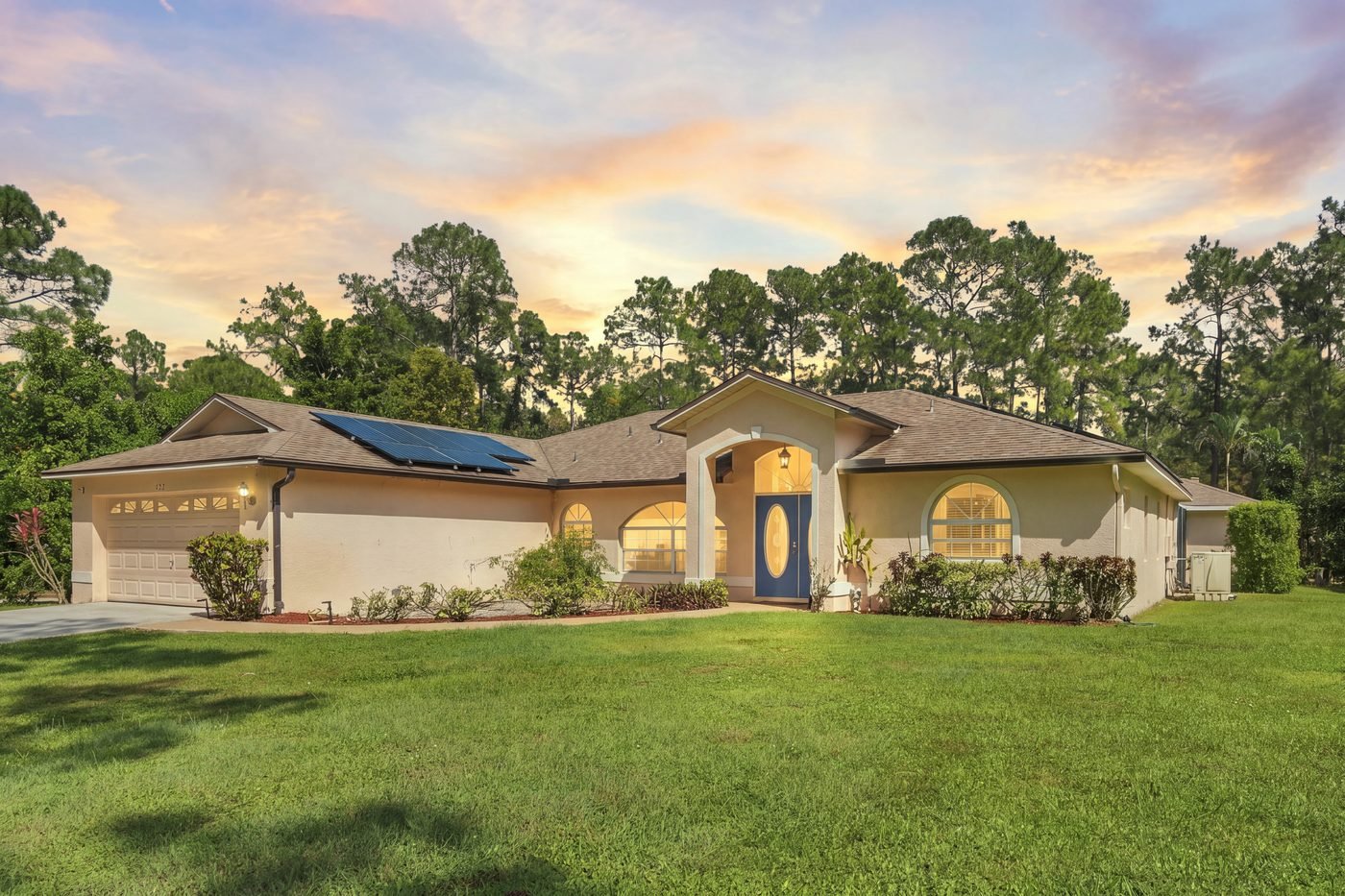
More Naples listings are coming with solar panels on the roof, and buyers ask me the same thing every time: is that a bonus, or a bill I’m inheriting? A Naples home with solar panels can be a genuinely better deal, with lower power bills and, with a battery, backup power after a storm. But it depends on a few details most listings don’t spell out, starting with whether the system is owned or leased. Here’s what to check before you count solar as a plus.
1. Owned, leased or financed?
This is the question that matters most, because it decides what you’re actually buying.
- Owned outright. The panels are part of the house and come with it, with no monthly payment. This is the best case for a buyer.
- Financed. The seller took out a loan for the system. Ask whether it will be paid off at closing, and have your title company look for any lien or fixture filing tied to the panels.
- Leased or on a power purchase agreement. A solar company owns the panels and the homeowner pays monthly. To take it over you usually have to qualify with that company and accept the remaining contract. Read it carefully before you write an offer.
2. Does it have battery backup?
This surprises a lot of buyers: most grid-tied solar systems shut off when the power goes out, for the safety of line workers. Without a battery, panels alone won’t keep your lights on after a hurricane. A system with battery storage can. Out in the Estates, where a private well needs power to run, that difference matters. My generator guide explains why backup power matters so much on well and septic homes.
3. How old is the roof under the panels?
Panels last a long time, and roofs don’t always keep up. If the roof needs replacing in a few years, the panels have to come off and go back on, which adds real cost. Ask for the roof permit date and the solar permit date, and look at them side by side. Insurers care about roof age too, which is part of the 4-point inspection on older homes.
4. What do the power bills really look like?
Ask the seller for twelve months of electric bills, not just a summer month. That shows how much the system actually offsets and how the utility credits extra power sent back to the grid. Also ask for the system size, the installer, the age of the inverter, and any monitoring app, so you can see real production.
5. Permits, warranties and insurance
- Permits. The panels, any battery and the electrical work should all have been permitted and inspected.
- Warranties. Panel, inverter, battery and workmanship warranties often transfer to a new owner, but some require paperwork. Get copies.
- Insurance. Tell your agent about the system and ask how it’s covered. More on keeping premiums down in my insurance guide.
The Florida rules that help
- No property tax on the panels. Florida law keeps the value of a residential solar system out of your assessed value, under section 193.624 of the Florida Statutes. Your tax bill doesn’t go up because of the panels.
- HOAs can’t ban them. Under section 163.04, an association can’t prohibit solar collectors, though it can have a say in where they go on the roof, as long as that doesn’t hurt how well they work.
- Thinking of adding solar yourself? The 30% federal residential clean energy credit ended for systems installed after December 31, 2025, so buying a home where the system is already in place and paid for can be the better value now.
Featured home: 590 6th St NE
My newest listing in Golden Gate Estates shows what a well set up solar home looks like. It has owned solar with full battery backup, plus a whole-home generator, on a gated 2.50-acre estate with no HOA. Offered at $1,499,000:
- Two homes on one property. The main residence has five bedrooms, two primary suites and a split floor plan, and a separate 1,200-square-foot guest house built in 2019 has three bedrooms, two baths, a full kitchen, laundry and its own garage
- A screened, solar-heated pool with a cascading water feature
- A fully fenced yard with mature fruit trees and landscape lighting, and a gated entry added in 2025
- Owned solar with battery backup, a whole-home generator and a private well, with a county tax bill of about $5,500
- Estates zoning that welcomes horses, RVs and boats, on high, dry and usable land
- Documented and permitted systems, from the guest house and solar array to the re-roof, the well and the gated entry
Thinking about the guest house side? Here’s my guest house guide, and see more of the area in my Estates acreage guide.
Solar homes in Naples: quick answers
Do solar panels add value to a Naples home?
They can, especially when the system is owned outright, permitted, and paired with battery backup. A leased system or one on an aging roof adds less, and can complicate the sale.
Will solar panels raise my property taxes in Florida?
No. Florida law excludes the value of a residential solar system from the home’s assessed value.
Do solar panels work during a power outage?
Most grid-tied systems shut off when the grid goes down. A system with battery storage can keep power running.
Can a Florida HOA stop me from installing solar panels?
No. Florida law prevents associations from prohibiting solar collectors, though they can have some say in placement on the roof.
See it in person
Call or text me at (239) 289-0749 to tour 590 6th St NE, or to ask me which homes on your list have owned solar. New to buying here? Start with the complete buyer guide. Se habla español.
Join The Discussion