
Hurricane-Ready Homes in Naples: How to Spot the Real Thing
Hurricane-Ready Homes in Naples: How to Spot the Real Thing
by Magdevys “Maggie” Rodriguez August 24, 2026

Every August, the same thing happens in my car. A buyer from Ohio or New Jersey watches the afternoon sky turn charcoal over the pines, goes quiet, and finally asks the real question: “What happens to this house in a hurricane?”
It is the right question. But most buyers ask it about the wrong things, granite does not matter in September, and neither does the pool cage everyone photographs. After fifteen years of walking Naples homes before and after storms, here is the honest hierarchy of what makes a home genuinely hurricane-ready, and how to spot the real thing when you are shopping.
1. The year it was built matters more than anything
Florida rewrote its building code after Hurricane Andrew, and it has kept tightening it since. A home built to the current code generation, roughly 2012 onward, and especially post-2017, was engineered from the slab up for wind: strapped roof, reinforced openings, tested assemblies. When I list or show a newer build in Golden Gate Estates, the storm conversation starts from a completely different place than it does in a 1970s beach-area cottage. Concrete block construction is the Florida standard for a reason, but the code year is what tells you how the whole system was engineered.
2. The roof: material, shape and paperwork
A metal roof is the gold standard here, rated for far higher wind speeds than shingle, longer-lived under Florida sun, and insurers price that difference. Hip roofs (sloping on all sides) outperform gables. And the paperwork matters as much as the material: a wind mitigation inspection report documents your roof shape, deck attachment and strapping, and it is the single cheapest way to cut a Florida insurance premium. When a seller can hand you one, that is a signal.
3. Openings: impact glass, shutters: or ideally both
Storm damage usually starts when an opening fails and pressure gets inside the envelope. Impact-resistant windows and doors protect without any ladder-climbing at 10pm before landfall; shutters add a second layer for the big ones. A home with impact glass and shutters is belt-and-suspenders, that combination, on a newer build, is what insurers and inspectors love to see.
4. Power: the difference between an inconvenience and a crisis
Ask anyone who lived through Irma or Ian: the storm is twelve hours, the outage is two weeks. This is where a whole-house generator changes everything, not a portable in the garage, but a permanently installed unit with an automatic transfer switch and its own fuel supply. A 22KW unit on a 500-gallon propane tank will run a whole home, air conditioning included, for the better part of a week without a fuel run. In the Estates there is a bonus most buyers miss: homes on private wells keep their own water flowing on generator power, while city-water neighborhoods deal with pressure losses and boil notices.
5. Location: inland is its own storm strategy
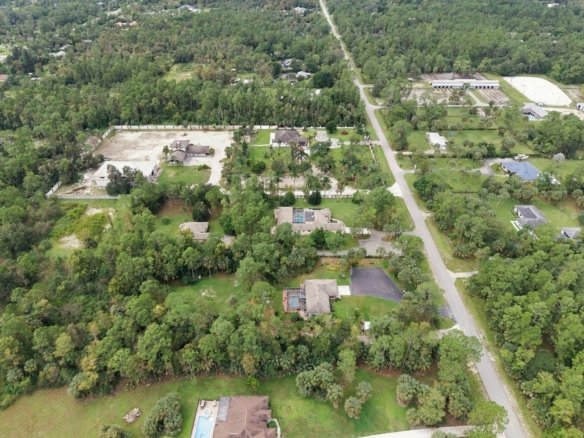
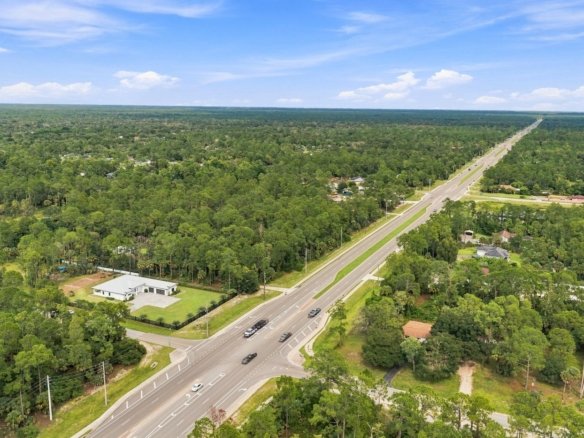
The quiet advantage of Golden Gate Estates: it is inland and largely outside the storm-surge zones, and much of it sits in flood zones that do not require flood insurance at all. Surge, not wind, causes most of Florida’s catastrophic hurricane loss, and it is a coastal phenomenon. I wrote a full guide to Naples flood zones and the insurance math, read it before you fall in love with any address, at any price.
What the real thing looks like
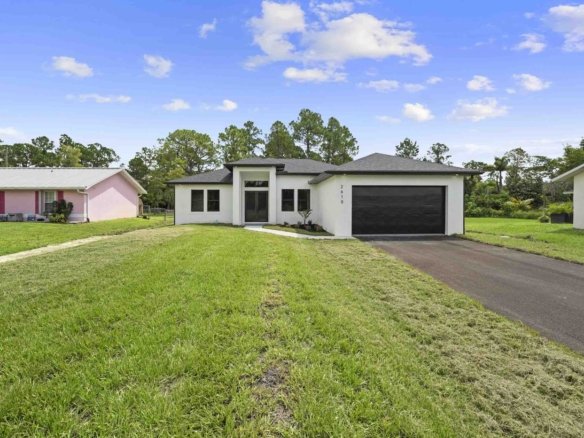
Here is a live example of every box checked at once, a home I represent at 556 6th St SE, custom-built in 2019 on 2.81 fully upland acres in the Estates:
- Metal roof on concrete block, built to the current code generation
- Impact windows and doors, plus shutters, the belt-and-suspenders setup
- 22KW whole-house generator with a 200-amp transfer switch and 500-gallon propane tank, power, AC and hot water (tankless) through any outage
- Private well with water softening, self-sufficient water on generator power
- Gated entry at the end of a palm-lined drive, monitored security, fully fenced
And because storm-ready should never mean bunker: the same house has an 800-square-foot travertine screened lanai, a dedicated home theater with 7.1 surround, dual primary suites, four bedrooms plus a den, and it is offered fully furnished and turnkey at $749,000. That is what hurricane-ready actually looks like in 2026: you notice the lanai first, and the engineering only when the weather turns. If you want to see it in person, call or text me for a private tour.
The buyer’s checklist: six questions that reveal everything
- What year was the home built, and to which code generation?
- What is the roof material and age, and is there a current wind mitigation report?
- Are the windows and doors impact-rated? Shutters too?
- Is there a permanently installed generator? What size, what transfer switch, and how large is the fuel supply?
- What flood zone is the property in, and has it ever had a claim?
- Well or city water, and what happens to each when the power goes out?
Six questions, five minutes, and you will know more about a home’s storm story than most buyers learn at four showings. The full Naples buyer guide goes deeper on every one of them.
Hurricane-ready homes in Naples: quick answers
What actually makes a home hurricane-ready in Florida?
In order of importance: a newer code-generation build (concrete block), a wind-rated roof, metal being the best, impact-rated openings, a permanently installed generator with real fuel capacity, and a location outside surge and high-risk flood zones. Everything else is secondary.
Do impact windows lower insurance costs in Naples?
Yes, opening protection is one of the line items a wind mitigation inspection documents, and insurers apply meaningful credits for it. Combined with a newer metal roof, the savings compound year after year.
How big a generator does a Naples home need?
A portable unit runs a refrigerator and some fans. To run an entire home including air conditioning, you want a permanently installed whole-house unit, commonly 18-26KW for a typical single-family home, with an automatic transfer switch and dedicated fuel, ideally a large propane tank.
Are Golden Gate Estates homes safer in hurricanes?
They hold three structural advantages: the area is inland and essentially outside storm-surge zones, much of it sits in flood zones where flood insurance is not even required, and its housing stock skews newer-code with wells and generators that keep homes self-sufficient through long outages.
Buy the house that is boring in September
The best hurricane story a homeowner can tell is that they grilled dinner on the lanai while the neighborhood waited for the power company. If you want a home like that, or want to know how storm-ready your current home would look to an insurer, call or text me at (239) 289-0749. I will walk you through it honestly. Se habla español.
Your next step: search every home for sale in Naples, check the latest Naples market report, or if you are thinking of selling, find out what your home is worth and read my guide to selling in Naples.


Join The Discussion