
Naples Flood Zones: How to Avoid Costly Insurance Mistakes
Naples Flood Zones: How to Avoid Costly Insurance Mistakes
by Magdevys “Maggie” Rodriguez July 14, 2026 · Updated August 6, 2026
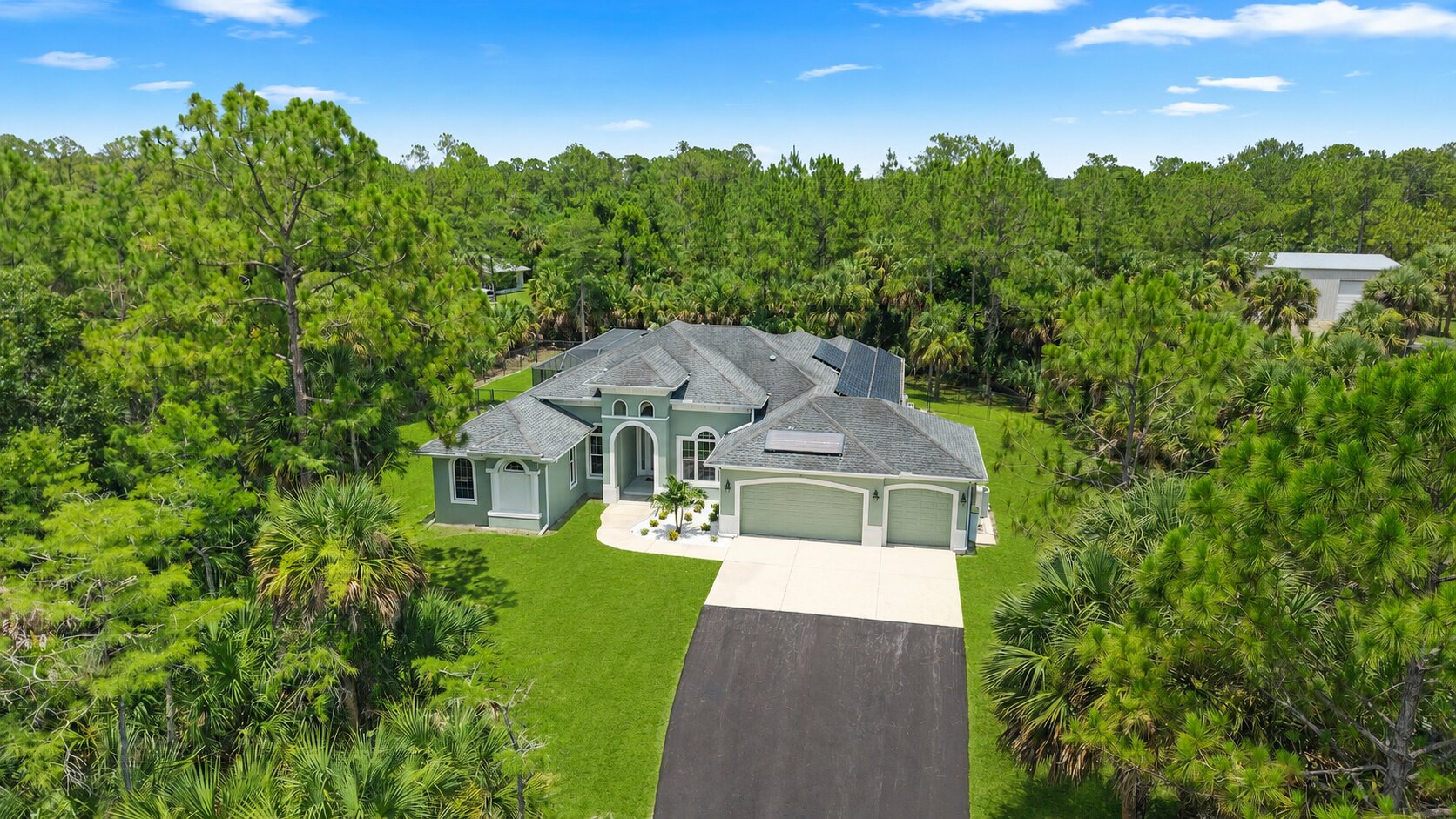
Few things surprise Naples home buyers more than hearing the words flood zone for the first time. You find a home you love, the price works, the layout fits, and then someone asks the question every Southwest Florida buyer eventually faces: what flood zone is it in?
It is one of the most common questions I get from buyers moving to Naples, and one of the most misunderstood topics in our market. The good news: once you understand how flood zones actually work, they stop being scary and become just another factor you can plan for, like a roof age or an HOA fee.
What a flood zone actually means
Every property in Collier County sits inside a zone on FEMA‘s flood maps. These zones are simply a rating of how likely an area is to experience flooding in a major storm event. They are not a prediction that a home will flood, and they are not a verdict on whether a home is safe. They are a risk category that affects insurance requirements and cost.
The zones you will see most often around Naples are:
- Zone X, the lowest-risk category on the map. Flood insurance is usually optional here, and when purchased it tends to be the most affordable.
- Zone AH or AE, moderate to higher-risk areas. If you have a mortgage, your lender will typically require flood insurance in these zones.
- Zone VE, coastal high-hazard areas along the beachfront, with the strictest requirements and the highest premiums.
Large parts of Naples, including many inland neighborhoods and much of Golden Gate Estates, fall into lower-risk categories, while properties closer to the coast, canals, and low-lying areas often carry a higher rating. Two homes a few streets apart can sit in completely different zones, which is why you should never assume based on the neighborhood name alone.
Why the zone matters for your budget
The flood zone does not change what a home is worth to live in, but it can change what it costs to own:
- Lender requirements. In higher-risk zones, flood insurance is not optional if you finance the purchase. That premium becomes part of your true monthly cost.
- Premium differences. The gap between a low-risk and higher-risk policy can be significant, and premiums are tied to the property, its elevation, and its history.
- Resale considerations. Future buyers will ask the same question you are asking now. A home with a well-documented, insurable flood profile is simply easier to sell.
This is why I tell buyers to treat the flood zone like any other line item: get the number early, before you fall in love, and let it be part of the decision instead of a surprise at closing.
Elevation is the detail most buyers miss
Two homes in the same zone can pay very different premiums, and the difference usually comes down to elevation. Newer construction in Naples is built to modern elevation codes, which is one reason new and newer homes often carry lower flood premiums than older homes in the same area.
If you are looking at an older home in a higher-risk zone, ask whether an elevation certificate exists. That single document can meaningfully lower a quote, because it proves exactly how the structure sits relative to the base flood elevation. Sellers who have one should absolutely share it, and buyers should ask for it every time.
How to check a home’s flood zone before you offer
You do not have to guess, and you do not have to wait until you are under contract:
- Look the address up on FEMA’s flood map or the Collier County property appraiser tools.
- Ask for an insurance quote on the specific property early, not after your offer is accepted.
- Ask the seller for the claims history and any elevation certificate.
- Work with an agent who checks this for you on every showing list, before you spend a Saturday touring homes that will not fit your budget once insurance is included.
When I prepare showings for my buyers, the flood zone check happens up front. It takes minutes, and it means the homes you walk through are homes you can actually own comfortably.
The inland story: flood zones in Golden Gate Estates and the acreage corridor
Almost everything written about Naples flood zones is about the coast. But if you are buying in Golden Gate Estates or anywhere in the acreage corridor, the flood story is different, and nobody seems to explain it.
The zones you will actually meet inland. Much of the Estates sits in moderate zones, but it is genuinely street-by-street: you will see Zone X (lower risk), pockets of Zone AH, which means shallow ponding, typically one to three feet, rather than storm surge, and AE bands along the canal system. In the far eastern blocks you may occasionally meet Zone D, which simply means the risk is undetermined. None of these behave like the coastal VE zones you read horror stories about, and inland premiums generally reflect that.
Why inland Naples ponds. Eastern Collier is flat, gets summer rain by the foot, and drains through a network of canals and natural flow-ways. When rain outruns drainage, water sits, briefly and shallowly in most years. That is what AH is describing. It is a different risk from the Gulf pushing ashore, and it is priced differently.
Elevation certificates matter more on acreage. Estates homes are typically built on fill that raises the house above the surrounding grade, often above the base flood elevation entirely. An elevation certificate documents exactly that, and it can meaningfully cut a premium or support removing a lender’s insurance requirement. Always ask the seller whether one exists; if you are buying land to build, fill is a real budget line, and my acreage buyer’s guide covers it alongside the wetland checks.
How to read the FEMA map yourself, in two minutes. Go to FEMA’s Flood Map Service Center at msc.fema.gov, enter the address, and open the interactive map, the zone label sits right on the parcel. Cross-check on the Collier County GIS, which layers zones over property lines more readably. One caveat: maps get revised, so note the effective date, and remember the map tells you the zone, not the premium. Only a quote on the specific property tells you that.
What this means for sellers
If you are selling a Naples home, the flood conversation is coming whether you bring it up or not. Sellers who prepare win that conversation:
- Have your elevation certificate ready if you have one.
- Know your current policy details, an assumable flood policy at a good rate can be a genuine selling point.
- Be upfront about history. Buyers trust transparency, and surprises late in a deal are what kill closings.
So what should you actually do?
Flood zones are part of life in Southwest Florida, but they are a manageable, checkable, plannable part. The buyers who get in trouble are not the ones who buy in a flood zone, they are the ones who never asked. With the right information early, you can buy confidently anywhere in Naples, from the beach to the Estates.
Flood zone questions I hear every week
What flood zone is Golden Gate Estates in?
There is no single answer, it varies street by street. Much of the Estates is in moderate zones, with pockets of shallow-ponding AH and AE bands along the canals. Always check the specific parcel, not the neighborhood.
Do I need flood insurance in Golden Gate Estates?
If you have a mortgage and the home sits in an A zone, your lender will require it. In X zones it is optional, and often cheap enough that carrying it anyway is the smart play. Inland premiums are generally far below coastal ones.
What is an elevation certificate and do I need one?
It is a surveyor’s document showing how high the structure sits relative to the base flood elevation. On Estates homes built on fill it frequently shows the house well above flood level, which can lower premiums or support dropping a requirement. Ask for it on every acreage purchase.
How do I check a Naples home’s flood zone for free?
FEMA’s Flood Map Service Center (msc.fema.gov) and the Collier County GIS both show it in minutes, enter the address and read the zone on the parcel. Or ask me: I run this check on every showing list I prepare.
If you are thinking about buying or selling in Naples and want to know exactly where a property stands, flood zone, insurance picture, elevation, all of it, I am happy to help you check before you commit. It is one of the simplest ways to protect both your budget and your peace of mind.
Your next step: search every home for sale in Naples, check the latest Naples market report, or if you are thinking of selling, find out what your home is worth and read my guide to selling in Naples.


Join The Discussion