
How to Clear Your Golden Gate Estates Lot the Right Way
How to Clear Your Golden Gate Estates Lot the Right Way
by Magdevys “Maggie” Rodriguez September 17, 2026
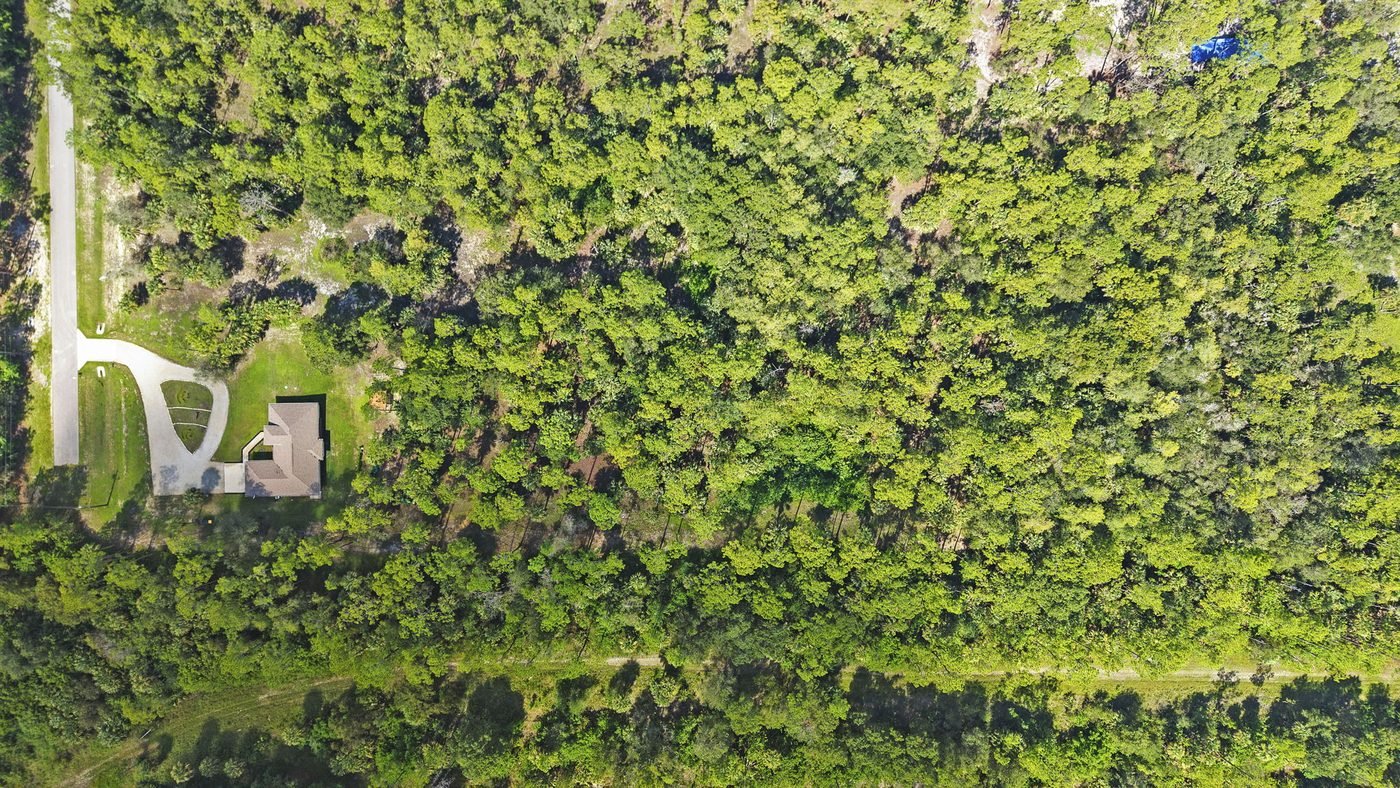
You closed on your piece of Golden Gate Estates, you’re standing at the road looking at a wall of pines and palmettos, and your cousin has a skid steer. Stop right there. Clearing a lot out here is regulated, and the owners who get fined are almost never the ones who meant to break a rule — they’re the ones who cleared first and asked later. Here’s how lot clearing in Golden Gate Estates actually works, what it costs, and the order to do it in.
You need permission before the first tree falls
In Collier County, removing native vegetation generally requires authorization — either a vegetation removal permit or an approved building permit that includes the clearing. The practical rule most Estates owners live by: clearing is tied to building. With a building permit for a home, you’re typically allowed to clear the area you need for the house, driveway, septic, well and yard — commonly up to about an acre on a standard Estates lot — and clearing beyond that takes additional approval. Clearing a vacant lot “to get it ready” with no permit is exactly how fines and restoration orders happen. Confirm the current limits with Collier County Growth Management before anyone starts an engine; rules get updated, and your lot’s specifics matter.
Three things on your lot that change the plan
- Wetlands. Many Estates parcels have some. Wetland areas generally can’t be cleared or filled without state and sometimes federal permits and mitigation. Get a wetland determination before you design anything — it tells you where the buildable ground is. I covered why in the cost-to-build breakdown.
- Protected wildlife. Gopher tortoises are the classic one: their burrows are protected, and if they’re in your building envelope they have to be professionally relocated under a state permit before clearing. A quick environmental walk of the lot saves you from finding this out with a machine already on site.
- Exotics. Brazilian pepper, melaleuca, earleaf acacia and other invasive exotics are the opposite case — the county wants them gone, and removing them is usually required as part of building. They’re also often the cheapest “clearing” win on a lot: taking out the pepper hedge can open up a parcel without touching a single native tree.
What lot clearing costs
Pricing depends on how heavy the vegetation is and how much you’re clearing, but budget in the thousands of dollars per acre — light palmetto and scattered pines at the low end, dense hammock with big oaks and heavy exotics well above it. The quote should spell out what’s included: felling, grubbing the roots, hauling or mulching the debris, and rough grading. Debris handling is where cheap quotes get expensive, so ask exactly where the material goes. And remember clearing is only the first site-work line — fill to raise the house pad usually costs more than the clearing did.
The right order
- Survey and wetland determination — know your lines and your buildable ground.
- Environmental check — tortoise burrows, listed species, exotics inventory.
- Site plan — place the house, driveway, well and septic to clear as little as you need. Every tree you keep is shade, privacy and resale value you didn’t have to buy.
- Permit — building permit with clearing, or a vegetation removal permit.
- Then clear — with a licensed, insured contractor who pulls the right paperwork and knows the Estates.
Clear less than you think
The best Estates properties I sell are rarely the ones that were scraped flat. They’re the ones where the owner cleared a smart envelope and left a wall of pines and cabbage palms on three sides. Privacy is the product out here. Buyers pay for it, and it’s the one feature you can’t add back in a weekend — which is the same lesson from the new-construction-versus-resale math: money can’t rush a mature tree.
Lot clearing in Golden Gate Estates — quick answers
Do I need a permit to clear my lot in Golden Gate Estates?
Generally yes. Native vegetation removal in Collier County needs authorization, usually through your building permit or a separate vegetation removal permit. Clearing a vacant lot without one can bring fines and a restoration order.
How much of my lot can I clear?
With a home building permit, owners are typically allowed to clear the area needed for the house and its improvements, commonly around an acre on a standard lot, with more requiring additional approval. Confirm the current limit for your parcel with the county.
How much does lot clearing cost in Naples?
Expect thousands of dollars per acre, driven by vegetation density, root grubbing, debris hauling and grading. Dense lots with large trees and heavy exotics cost the most. Fill to raise the pad is a separate, often larger, cost.
What about gopher tortoises?
Their burrows are protected by the state. If tortoises are in the area you plan to clear, they must be relocated by an authorized agent under a permit before work begins.
Walk it before you clear it
If you own a lot or you’re about to buy one, call or text me at (239) 289-0749 before anyone shows up with equipment. I’ll walk it with you, point out what to check, and connect you with clearing and environmental pros who work the Estates every week. More on buying the land itself in my acreage guide. Se habla español.
Join The Discussion