
How to Never Get Burned Building in Golden Gate Estates
How to Never Get Burned Building in Golden Gate Estates
by Magdevys “Maggie” Rodriguez September 15, 2026
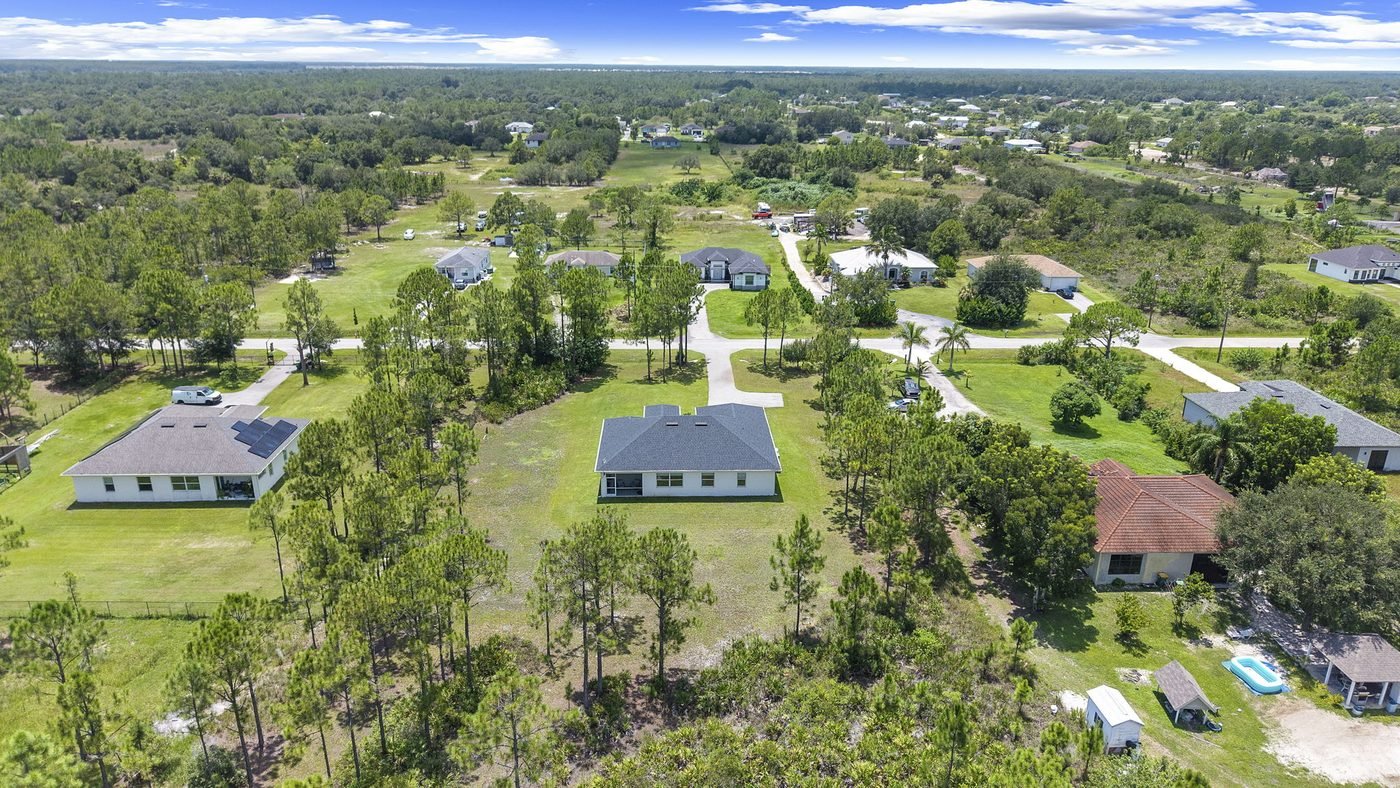
Every week someone tells me they’ve “found a cheap lot” in Golden Gate Estates and they’re going to build. I love that plan — I sell the finished version of it constantly. But the people who get burned building out here all make the same mistake: they price the house and forget the ground. In the Estates, the cost to build starts long before the slab, and the land price is only the first line. Here’s the honest budget, in the order the money actually leaves your account.
Line one: the lot — and what’s really on it
Estates parcels run from the classic 1.14 acres up to five and more, and two lots with the same size and price can be very different purchases. Before you fall in love, you want to know three things: whether any of it is wetland (a formal determination can change what you’re allowed to build and where), what flood zone and required finished-floor elevation apply, and whether power and a paved road reach the property line. My acreage guide walks through the lot checks; skipping them is how a “cheap” lot becomes an expensive one.
Line two: site work — the money nobody budgets
This is where Estates builds surprise people. Before a single block is laid, a raw lot typically needs:
- Clearing and grubbing. Pines, palmettos and roots come out of the building envelope and the driveway path. Heavier vegetation and bigger pads cost more; expect a real line item, not a weekend with a chainsaw.
- Fill. Much of the Estates sits low, and the house pad has to be raised to the required elevation — that means truckload after truckload of fill dirt, compacted. On low lots this is often the single largest site-work cost, and it’s the one first-time builders most often leave out entirely.
- The well and the septic system. No utilities out here — you install your own water and wastewater. A drilled well with pump and treatment plus a permitted septic system are each five-figure jobs, and lots with a high water table can require an elevated or aerobic septic design that costs more. Owning them is easy (here’s how); building them is real money.
- Driveway, culvert and access. The county requires a permitted culvert where your driveway crosses the roadside swale, then the driveway itself — and Estates driveways are long.
- Surveys, soil borings, elevation certificate, electric service. Individually small, collectively not.
Add it up honestly and site work on a raw Estates lot routinely runs well into five figures before you’ve built anything you can stand in. That number is the difference between the “cheap lot” and the finished spec home that looks expensive by comparison — and it’s exactly why the build-versus-buy math so often flips.
Line three: permits and impact fees
Collier County charges impact fees on every new home — roads, schools, parks, emergency services — on top of the building permit itself. Together they typically land in the five-figure range, they’re due before you break ground, and they don’t care what your builder quoted. Ask for them by name when you budget.
Line four: the house itself
Only now do you reach the number everyone starts with. Custom construction in Collier is quoted per square foot of living area, and the honest range in 2026 is wide — call it several hundred dollars per foot for quality construction, climbing well past that for true luxury finishes. What moves the number: roof type (metal costs more and insures better), impact glass versus shutters, ceiling heights, finish level, and everything under the lanai — a pool and cage alone is a project inside the project. Get two or three builder quotes on the same plan and spec sheet; comparing a base quote to an all-in quote is how people conclude one builder is “cheaper.”
The lines people forget
- Landscaping, fence, gate, irrigation — the finished-home look isn’t in the base price.
- Guest house or barn — its own permit, often its own septic.
- Financing carry. Construction-to-permanent loans mean interest while you build, and land loans usually want a larger down payment than a mortgage on a finished home.
- Time. Permitting plus a custom build commonly runs a year or more — twelve-plus months of rent or a second mortgage is a real cost too.
Cost to build in Golden Gate Estates — quick answers
How much does it cost per square foot to build in Golden Gate Estates?
Quality custom construction in Collier County is quoted in the hundreds of dollars per square foot of living area, with a wide spread driven by finishes, roof type, impact glass and the pool. Site work, permits and impact fees sit on top of that number, not inside it.
What site work does a raw Estates lot need?
Clearing, fill to reach the required pad elevation, a well, a septic system, a permitted culvert and driveway, plus surveys and electric service. On a low lot the fill alone can be the biggest line.
Do I need a wetland determination before buying a lot?
Yes — treat it as non-negotiable. A determination tells you what portion of the parcel is buildable and whether mitigation is required, which can change the entire budget.
Is it cheaper to buy a finished new home than to build?
Often, once you price the land honestly plus site work, fees, financing carry and a year of time. Finished new construction on an already-improved lot bakes all of that in — which is why it’s frequently the quiet bargain of the three options.
Run the whole budget before you buy the lot
If you’re looking at a piece of the Estates and wondering what it really costs to put a house on it, call or text me at (239) 289-0749 — I’ll walk the lot with you, flag the wetland and elevation questions, and run the full number against what a finished home costs today. Or start with the complete buyer guide. Se habla español.
Join The Discussion