
Land Financing in Naples: The Best Options Right Now
Land Financing in Naples: The Best Options Right Now
by Magdevys “Maggie” Rodriguez September 23, 2026
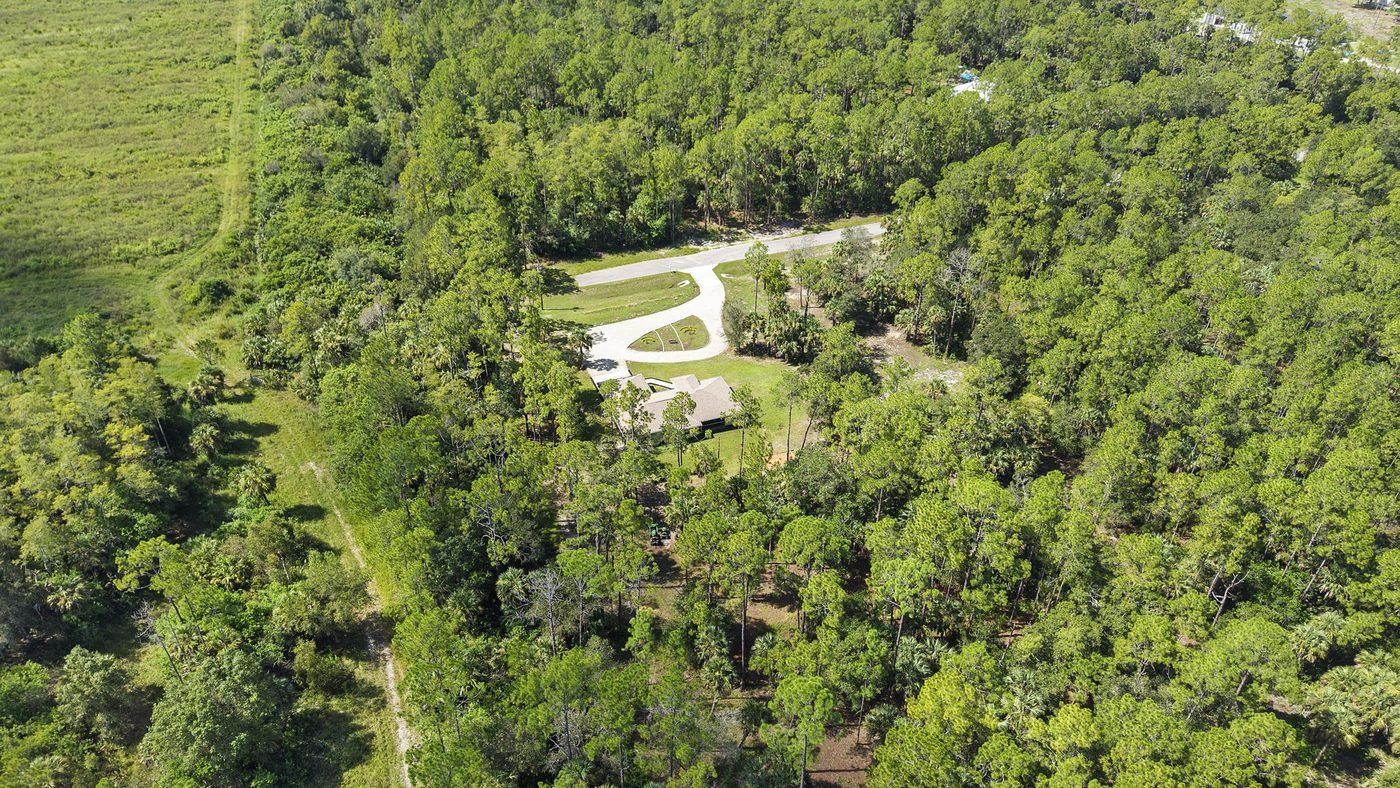
The most common question I get about buying a lot in Golden Gate Estates isn’t about wetlands or wells. It’s “can I even get a loan for this?” Most people assume vacant land is cash-only, and a lot of buyers walk away before they ever ask. You can finance land in Naples. It just doesn’t work like a mortgage, and knowing the differences up front is what separates the buyers who close from the ones who get surprised at the bank.
Why banks treat dirt differently
A house is easy collateral: if the borrower stops paying, the bank can sell it. A vacant lot is harder to value, slower to sell, and easier to walk away from, so lenders price that risk in. In practice that means three things compared to a home mortgage:
- A bigger down payment. Expect to put down meaningfully more than you would on a house, commonly somewhere in the 20 to 35 percent range depending on the lender and whether the lot is improved. Raw, unimproved acreage sits at the high end.
- A shorter term and a higher rate. Lot loans are often written for a few years, sometimes with a balloon, at rates above a standard mortgage. The lender expects you to build or refinance.
- A local lender. The big national banks mostly don’t do lot loans. Southwest Florida community banks, credit unions and farm-credit lenders do, and they understand the Estates. This is the single biggest shortcut in the process.
Your four real options
- A lot loan. The straightforward version: finance the land now, build later. Best when you’ve found the right parcel but aren’t ready to start construction. Shop it with local lenders, not your national bank’s website.
- A construction-to-permanent loan. If you’re ready to build, this is usually the smartest route. One closing covers the lot purchase and the build, you pay interest only on what’s been drawn during construction, and when the home is finished the loan converts into a regular mortgage. Lenders want your builder, plans and budget up front, which is why the honest cost to build matters before you apply.
- Seller financing. More common on Estates land than people expect. Many lot owners have held their parcels for years with no mortgage, and some will carry the note with a down payment and a few years of payments. Always ask, and always have an attorney paper it properly.
- Cash now, refinance later. If you can buy the lot outright, you keep leverage in the purchase and can pull equity out later through a construction loan or a cash-out refinance once there’s a house on it. Not everyone’s option, but it’s the cleanest.
One more worth knowing: some outlying parts of Collier County can qualify for USDA rural programs on the finished home, which changes the math on the construction side. Eligibility is parcel-specific, so it’s a question for the lender, not an assumption.
What every land lender will ask for
The application looks different from a home loan. Have these ready and you’ll move faster than almost every other borrower they see:
- A survey showing the exact boundaries and any easements.
- A wetland determination or at least an environmental read on the parcel. Lenders won’t lend on ground you can’t build on, and neither should you.
- Legal access and road frontage. Paved road, platted street, no landlocked parcels.
- Utilities. Power at the line, and the plan for well and septic, which is how every Estates home gets its water and sewer.
- Your plan. Even on a plain lot loan, lenders like to hear when and what you intend to build. On a construction loan, they require it.
- Comparable sales. The appraiser needs recent land sales nearby. In the Estates that’s usually fine, but on unusual parcels it can slow things down.
The mistakes that cost buyers the deal
- Asking a national bank first and concluding land can’t be financed when they say no.
- Going under contract before talking to a lender, then discovering the down payment is double what they planned for.
- Skipping the wetland check and losing the loan at appraisal, or worse, closing on land that can’t be built the way they pictured.
- Forgetting the carry. Lot loan payments plus rent or a current mortgage, for the year or more it takes to permit and build. Budget the overlap.
Land financing in Naples: quick answers
Can you get a mortgage on vacant land in Florida?
Not a standard mortgage, but yes, you can finance land through a lot loan, a construction-to-permanent loan or seller financing. Expect a larger down payment, a shorter term and a higher rate than a home loan.
How much do you need to put down on land?
It varies by lender and by whether the lot is improved, but plan for a meaningfully larger down payment than a house, often in the range of 20 to 35 percent. Raw acreage tends to require the most.
Which lenders finance land in Golden Gate Estates?
Mostly local: Southwest Florida community banks, credit unions and farm-credit lenders. National banks rarely do lot loans. I keep a current list of who’s actually closing them.
Is a construction loan better than a lot loan?
If you’re ready to build within a year or so, usually yes. One closing covers the land and the build, and the loan converts to a regular mortgage when the home is done. If you’re buying to hold, a lot loan or seller financing fits better.
Talk to the lender before you fall in love with the lot
If you’re looking at land in the Estates, call or text me at (239) 289-0749 before you write an offer. I’ll connect you with the local lenders who actually close land loans here, and we’ll check the parcel for the things they’ll ask about anyway. More on buying the land itself in my acreage guide. Se habla español.
Join The Discussion