
Flood Zones in Golden Gate Estates: The Ultimate Guide
Flood Zones in Golden Gate Estates: The Ultimate Guide
by Magdevys “Maggie” Rodriguez September 24, 2026
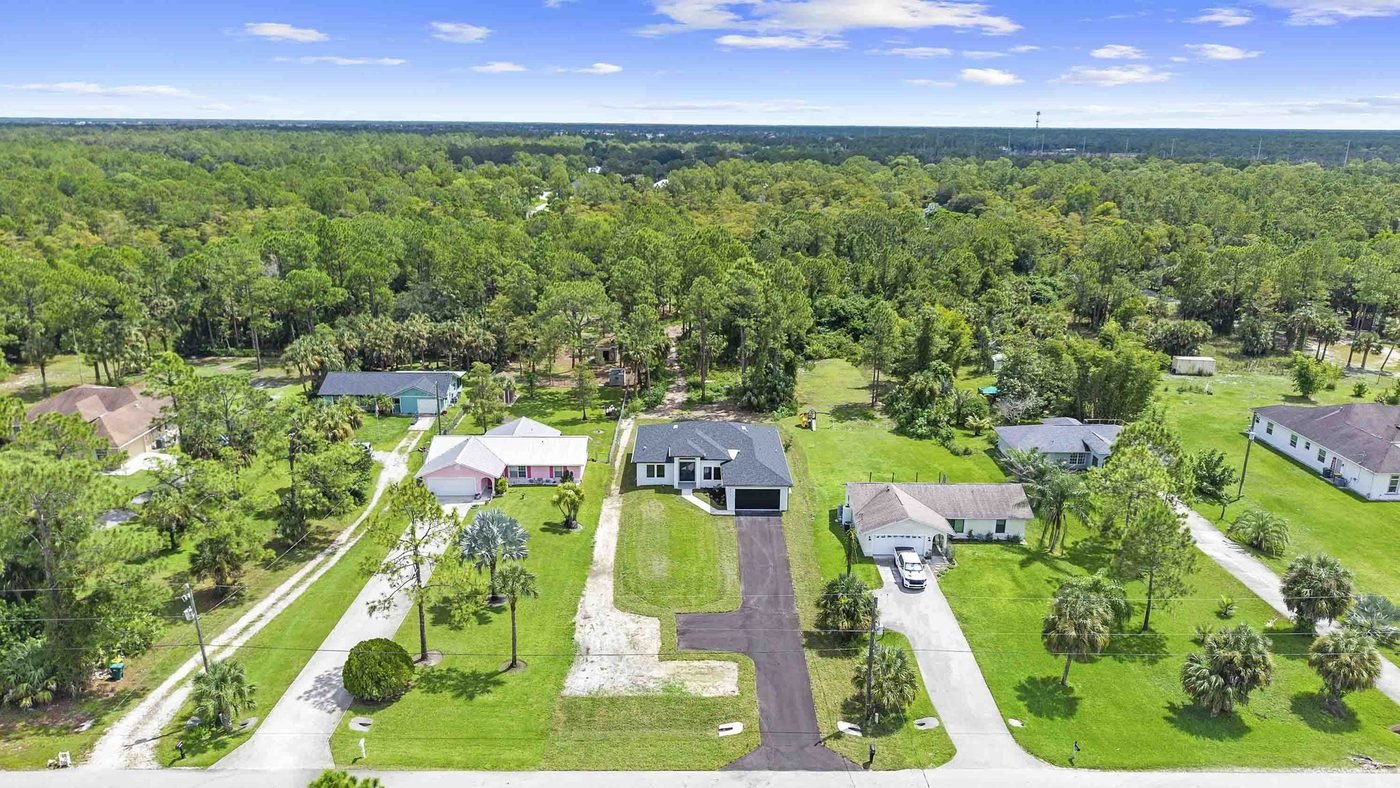
Two lots on the same street in Golden Gate Estates, same size, same trees, same price. One needs a flood policy and a few extra feet of fill under the house. The other needs neither. The difference is a single letter on a FEMA map, and most buyers never look it up until a lender or an insurer does it for them. In the Estates the flood zone decides what you’ll pay to insure, how high you’ll build, and sometimes whether the lot is worth what it’s listed for. Here’s how to read it before you write the offer.
The letters that matter
- Zone X. Outside the mapped high-risk floodplain. Lenders don’t require flood insurance, and if you buy a policy anyway it’s usually inexpensive. A large share of the Estates sits here, which is one of the quiet reasons inland Naples insures so much better than the coast.
- Zone AE. Inside the high-risk floodplain, with a mapped base flood elevation. If you have a mortgage, flood insurance is required, and any new home has to be built with its lowest floor at or above that elevation. Parts of the Estates near canals, sloughs and the lower eastern sections fall here.
- Zone A or AH. High-risk areas without a precise elevation on the map, or shallow-ponding areas. Same insurance requirement, and the county will set the required floor height when you permit.
- Shaded X. Moderate risk, between the two. No requirement, but worth a cheap policy.
Zones can change mid-street and even mid-parcel, so check the exact lot, not the neighborhood. FEMA’s map service and Collier County’s GIS both let you type in an address and see the zone in seconds.
Why it costs more than the premium
People fixate on the flood policy, but on a build the bigger number is usually the fill. Collier requires the finished floor of a new home to sit above a set elevation, higher in AE than in X, and on a low lot that means truckloads of fill dirt, compacted, before the slab is poured. It’s the line item first-time builders most often leave out of the cost to build, and it can run into serious money on a low parcel.
The zone also feeds straight into your insurance quote, your lender’s requirements, and your resale. A home in X with an elevation certificate showing it sits well above the base flood elevation is an easy sell. A home in AE without one is a question mark buyers price in.
The elevation certificate: the document that settles it
An elevation certificate is a surveyor’s record of exactly how high the home sits relative to the base flood elevation. It does three things: it lets an insurer rate the policy accurately instead of assuming the worst, it can knock a rated premium down substantially when the home is well above the line, and in some cases it supports a map amendment that moves the property out of the high-risk zone entirely. If you’re buying an existing home in AE, ask the seller for it. If you’re building, order one when the slab is in and keep it forever.
What to actually do before you buy
- Look up the zone for the exact parcel on FEMA’s map service or Collier’s GIS. Screenshot it.
- Ask for the elevation certificate on any existing home. No certificate in AE means you’re guessing at the premium.
- Get a real flood quote, not an estimate, before the inspection period ends. Private carriers and the federal program price the same house differently.
- On a lot, get the required finished-floor elevation from the county and have your builder price the fill against it. This is the number that separates a good lot from a cheap one.
- Walk it after a heavy rain. Maps are maps. Standing water two days after a storm tells you what the map didn’t.
Two things worth knowing about the Estates specifically: the canal network that drains the area means many parcels sit near a mapped waterway even when they look dry, and the eastern and southern sections generally run lower than the older western blocks near Collier Boulevard. Neither is a reason to avoid an area. Both are reasons to check.
Golden Gate Estates flood zones: quick answers
Is Golden Gate Estates in a flood zone?
Parts of it. Much of the Estates is Zone X, where flood insurance is optional and inexpensive, but parcels near canals and in lower sections are AE or A, where a mortgage requires flood coverage and new construction must meet a set floor elevation. Always check the specific lot.
Do I need flood insurance in Golden Gate Estates?
Only if your lender requires it, which happens in high-risk zones like AE. In Zone X it’s optional, and many owners carry a low-cost policy anyway because the map doesn’t promise you’ll never see water.
What is an elevation certificate and do I need one?
A surveyor’s document showing how high the home sits versus the base flood elevation. In AE it’s what lets an insurer price the policy accurately, and it can lower the premium significantly. Ask for it on any existing home you’re considering.
How does the flood zone affect building a home?
The county sets a minimum finished-floor elevation based on the zone. On a low lot that means adding fill to raise the house pad before construction, which can be one of the largest site-work costs on the whole build.
Check the letter before you love the lot
I pull the flood zone and the elevation history on every Estates property I show, because it changes the math more than almost anything else on the listing sheet. If you’re looking at a lot or a home out here, call or text me at (239) 289-0749 and I’ll check it with you. For the broader picture, my Naples flood zone guide covers the whole county, and the acreage guide covers the rest of the lot checklist. Se habla español.
Join The Discussion